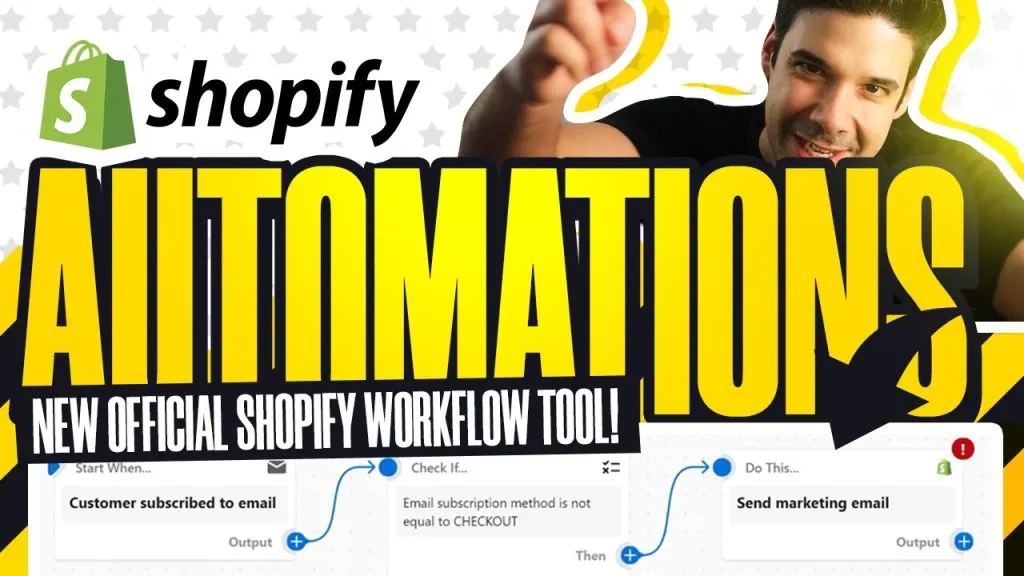
HUGE SHOPIFY UPDATE!! Create Email Automation Workflows and More! TUTORIAL
Shopify 60 day trial
Welcome to this tutorial on creating email automation workflows with Shopify and other services! In this tutorial, you’ll learn how to use third-party services such as Zapier or MailChimp to automate and customize email communications for your Shopify customers.
- Setting Up Email Automation Workflows
The first step to creating automated email workflows with Shopify is to set up your email automation service. These services usually feature a “drag and drop” user interface, which makes customizing your emails easier and faster.
Once you’ve sign up for an email automation service, you’ll likely need to connect your store to the service. Depending on which email automation program you chose, the setup can vary, but generally the setup involves entering your store’s URL, API credentials, and any other necessary information.
- Creating Automation Triggers
Once you’ve connected your store to the automation service, it’s time to create your automation triggers. These triggers tell the automation service when to send emails based on customer activities.
Popular triggers include when someone subscribes to your newsletter, when they make a purchase, when they abandon their cart, when they are about to become inactive, and more.
When creating triggers, it’s important to consider the customer experience. For example, if the customer has already purchased from you, sending a promotional email could appear spammy.
- Customizing Your Emails
Once you’ve set up your triggers, it’s time to start customizing your emails. To make your emails more effective, it’s important to personalize them. You can do this by using variables to include customer-specific information, such as their first name or email address.
Additionally, you can use elements such as images and videos to make your emails more visually engaging. You can also include calls to action and other interactive elements to prompt customers to take action. Finally, be sure to test your emails before sending them out and after sending them to ensure they are working correctly.
- Measuring and Optimizing Your Emails
Finally, once you’ve sent out your emails, it’s important to measure and optimize them. Automation services will provide insights on how your emails performed, such as open rates, click-through rates, and sales conversions. You can use this data to adjust your email workflows and optimize them for better performance.
By following this tutorial, you should now have the knowledge to create automated email workflows for your Shopify store. Automated email workflow increases customer engagement and leads to higher conversions, so be sure to give it a try!
👉👉TRY SHOPIFY FOR FREE👈👈
Read next
 Shopify
Etsy Shop Reviews #58: Beautiful Designs & Mockups… Only 6 Sales?!?
Shopify 60 day trial It’s difficult to get sales on Etsy in the beginning. You just need to keep putting out content and
 Shopify
Best Email Marketing App For Shopify | Full Guide
Shopify 60 day trial 1. Omnisend Omnisend is one of the most popular email marketing apps among Shopify merchants. With
 Shopify
iOS 14 Facebook Ads For Shopify Dropshipping | Master FB Ads In 20 Minutes
Shopify 60 day trial 1. Harness the Power of Lookalike Audiences: Lookalike audiences allow you to reach users similar t